
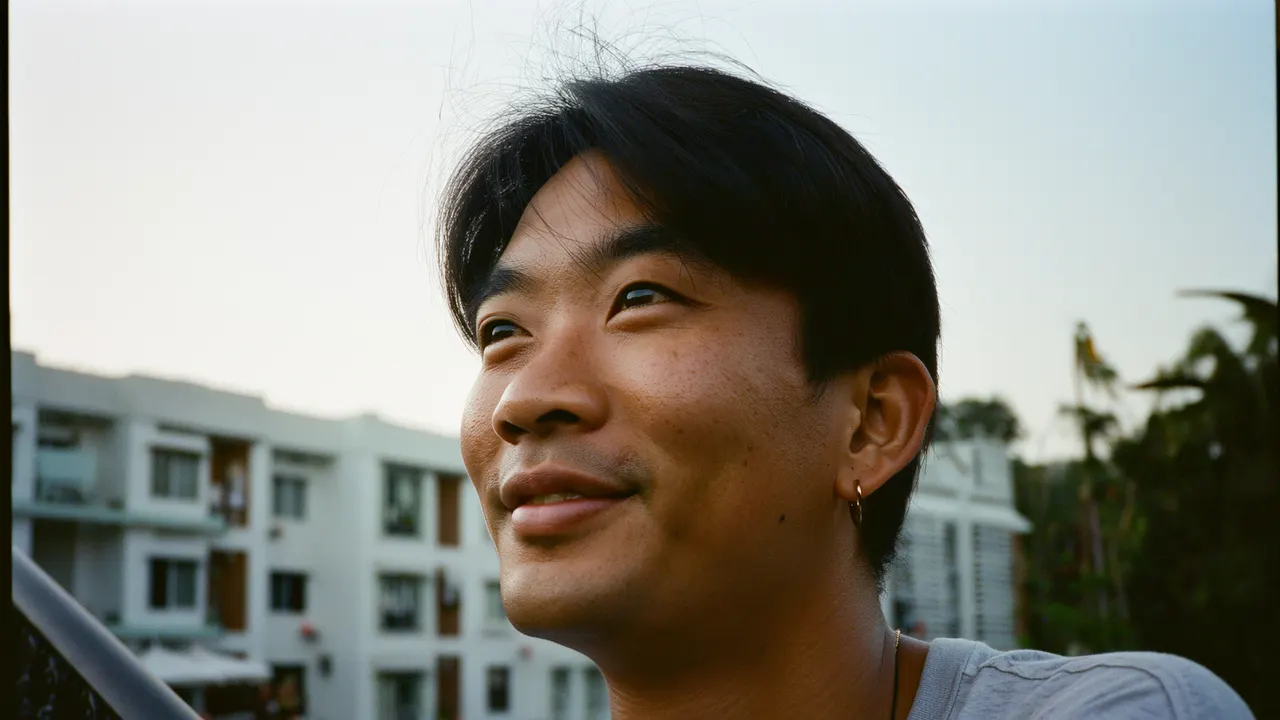
ORD is a strange threshold. For two years you knew exactly where to be at 7am, what to wear, and what your day would consist of. Then one morning none of that is true.
Some of your batch already have a plan: a uni place starting in August, a gap-year trip funded by parents, a clear career track. You don’t. You’ve got a few months, a vague sense that you should be doing something, and the same questions everyone has and nobody asks out loud:
- Should I take a break? How long?
- Should I just go to uni and figure it out there?
- Should I work first? Doing what?
- Am I behind everyone else?
You’re not behind. The decade between 19 and 29 has a much wider range of valid paths than most people will admit. But you also can’t just sit on the couch for five months and call it healing.
Here’s an honest framework for the post-NS Singaporean who doesn’t have a clear plan yet.
The first thirty days: don’t decide anything
Your nervous system has been on for two years. The instinct to “make up for lost time” right out of NS leads people into bad decisions — agreeing to internships they hate, signing up for diplomas they don’t care about, jumping into uni applications they haven’t actually thought about.
Use the first thirty days to:
- Sleep properly. Like, actually properly.
- Re-establish your physical baseline. Run, swim, hit the gym you couldn’t be in for two years.
- See your friends and family — not just the army ones.
- Read three books you’ve wanted to read.
- Stay off LinkedIn. Whatever your batch-mate just announced, it’s not a deadline for you.
Don’t make career-shaping decisions in your first month out. The version of you making them is too tired to think clearly.
The next ninety days: experiments, not commitments
Around day thirty, the real question kicks in: what now?
Most post-NS Singaporeans split into a few paths:
- Heading to uni in August. You’ve got a few months to kill. Don’t kill them — invest them.
- Skipping uni or delaying a year. You’ve got more time. Same advice, just longer.
- Going straight to work. Less time to experiment, but the experiments matter more because they shape the work.
In all three cases, the right move is experiments, not commitments.
An experiment is something you can stop doing in 4–8 weeks if it’s not for you. A commitment is a 3-year contract, a degree, a long-term role.
Things you can do as experiments in 4–8 weeks each:
- Apprentice under someone who runs a small business. Offer 20 hours a week of help in exchange for being shown how it actually works.
- Run a tiny side hustle. Sell something — products, services, content — and watch what selling and marketing actually feels like.
- Shadow a few different careers. Three half-days each with a teacher, a designer, a financial advisor, a developer, a hawker who’s running a successful stall.
- Take an online course in a high-leverage skill (sales, copywriting, basic financial literacy, ad campaigns) and finish it.
- Solo travel for two weeks somewhere unfamiliar. SE Asia is right there.
The point is to generate information. After three or four experiments, you’ll know more about what you actually want than three years of theoretical thinking would have given you.
The high-leverage move most people miss
There’s one experiment that quietly does double duty — it gives you information AND it gives you skill compound starting now.
Find a mentor environment.
By “mentor environment” we mean: a structured program or apprenticeship where someone two or three rungs ahead of you takes you under their wing for a few months and teaches you how something actually works. It could be:
- A small founder who needs a hand running their business
- A working professional in a field you’re curious about who’ll let you shadow them
- A structured program built around mentorship
The reason this is high-leverage: even if you decide the field isn’t for you, the skills of being mentored, of operating inside a real business, of receiving feedback and applying it — those compound for the rest of your life. You don’t lose anything if it turns out the field wasn’t your thing.
The four common post-NS mistakes
Things we see post-NS Singaporeans do that cost them years:
1. Rushing into uni without thinking about why. Three years and $40,000+ at a Singapore university is a lot of investment for “everyone else is going”. If you’re going, go for a reason. Pick a course you can defend.
2. Falling into a job that pays okay but teaches nothing. $3,500/month at 21 feels like real money. It’s not. The opportunity cost of two years in a role that doesn’t compound is enormous compared to two years in a role that does — even at a similar salary.
3. Optimising for “what looks good”. LinkedIn pressure is a real phenomenon now, especially in Singapore. Pick what builds you, not what reads well as a status update.
4. Going on autopilot for two years post-NS. Some people coast, half-watching life, half-stuck. The ones who emerge from this fog at 24 with no marketable skills, no apprenticeship under a real mentor, and no track record are the ones who feel “behind” later. Compounding works in both directions.
Three honest paths that work
If you genuinely don’t know what you want, here are three paths that have worked for the post-NS Singaporeans we know:
A. The uni + apprenticeship combo. You go to uni for the credential and the network, but you spend your evenings and weekends apprenticing under someone who runs a business in a field you care about. By graduation you have the degree and the skills. You’ll be ten years ahead of your classmates.
B. The skills-first year. Skip or delay uni for a year. Use that year to apprentice intensively, build a side income, and learn skills that compound. Re-evaluate uni at 22 with much better information about what you’d study.
C. The intentional gap. Six months of structured travel, study, side projects, and apprenticeship — designed in advance, not improvised. You return knowing yourself better and ready to commit.
All three beat the default of “uni then job because everyone else.”
If you want a structured starting point
FINternship is a 6-week immersive mentorship and growth program for exactly this stage of life. It’s built for ambitious young Singaporeans — students, NSFs, fresh ORDs, fresh grads, and young professionals — who want real mentorship, real high-income skills, and a real side income while they’re still figuring out the bigger picture.
The first 14 days are free, no signup, no calls. They walk you through who FINternship is for, who it’s not, and how to decide if it’s for you. Most post-NS readers we’ve heard from say day 14 was the first time they felt clear-headed about what to do next in years.
FINternship is a 6-week immersive mentorship and growth program for ambitious young adults in Singapore.